.svg)

.svg)
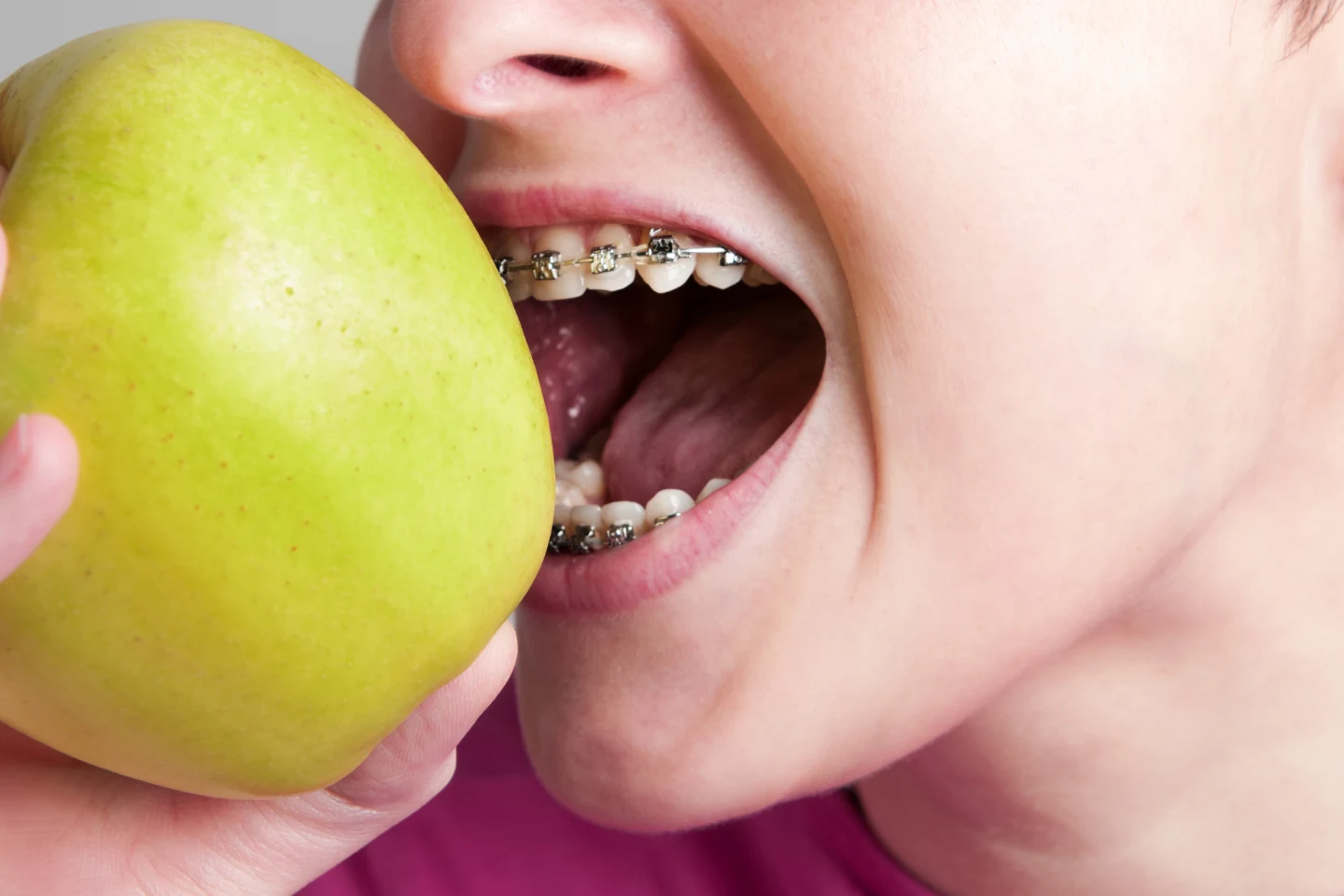
Getting braces is a massive milestone on the journey to a picture-perfect smile. But let’s be honest: the very first thought that crosses most people's minds after leaving the orthodontist office is, "Am I going to starve?"
As a veteran clinical orthodontic coordinator with over a decade of hands-on experience helping thousands of patients transition into life with brackets and wires, I’ve heard this exact concern more times than I can count. I have watched self-proclaimed foodies look at me with sheer panic, terrified that their culinary adventures are over.
Here is the good news: your inner foodie does not need to go into hibernation. While your diet will certainly look different for a little while, navigating what can you eat with braces is entirely manageable once you know the rules of engagement. Let’s dive into how you can protect your investment without sacrificing flavor.
Key Takeaways: The Braces Dietary Cheat Sheet
If you are standing in the grocery aisle right now looking for a fast answer, check this to keep your treatment on track.
- Safe To Eat: Soft, tender foods like pasta, mashed potatoes, yogurt, seafood, avocados, eggs, cooked vegetables, and soft cheeses.
- Avoid Entirely: Hard, sticky, crunchy, or chewy foods like popcorn, nuts, hard candy, caramel, chewing gum, and tough meats.
- Modify to Eat: Whole apples, raw carrots, and crusty bread can be enjoyed only if you cut them into bite-sized pieces first.
- The Golden Rule: If a food requires aggressive front-tooth biting or is loud enough for neighbors to hear you crunching, skip it.
The Golden Rules of Orthodontic Eating
To understand what can and can’t you eat with braces, it helps to understand how your appliances work. Your brackets are bonded to your teeth with a specialized, medical-grade adhesive. While it is incredibly strong against the continuous, gentle forces used to align your teeth, it is highly vulnerable to sudden, sharp, shearing forces.
According to guidelines published by the American Association of Orthodontists (AAO), breaking brackets doesn't just cause discomfort—it actively delays your treatment time. Every broken wire or loose bracket means an emergency trip to the clinic and potentially another month added to your estimated debonding date. You can also explore this detailed guide on foods to avoid and enjoy during treatment.
To keep your teeth moving safely, memorize these three pillars of orthodontic eating:
- Softness First: Choose foods that yield easily to gentle pressure.
- Bite-Sized Portions: Stop tearing into food with your front teeth. Cut burgers, corn off the cob, and pizza into small, manageable pieces.
- Chew with Caution: Slow down your eating pace to give your tongue and cheeks time to adapt to the new hardware.
Patients undergoing comprehensive orthodontic care for smile alignment often find that adjusting eating habits early makes the treatment process significantly smoother.
What Can You Eat with Braces? The Green Light Foods
Let’s focus on abundance rather than restriction. There is an incredible variety of delicious, nutrient-dense foods that are perfectly safe for your hardware.
Breakfast Favorites
You don’t have to change much about your morning routine. Oatmeal, scrambled eggs, and pancakes are orthodontic superstars. They require almost no chewing pressure and won't get trapped in your archwires. If you love smoothies, just ensure you thoroughly rinse your mouth afterward, as tiny berry seeds can occasionally lodge themselves under your bracket wings.
Main Courses and Comfort Food
For lunch and dinner, look toward tender proteins and cooked grains. Pasta dishes (like macaroni and cheese or lasagna) are excellent choices. Seafood is a brilliant option for foodies; flaky white fish, salmon, and shrimp are naturally tender and packed with protein.
If you eat meat, skip the T-bone steak and opt for slow-cooked pulled pork, shredded chicken, or meatloaf. These options break apart easily without putting stress on your molars.
Many patients with traditional braces for correcting bite issues discover that softer proteins and cooked grains become staples during treatment.
Side Dishes and Vegetables
Raw veggies are off the table for now, but that is just an excuse to get creative with cooking techniques. Mashed potatoes, sweet potato puree, creamed spinach, and roasted zucchini are entirely safe. If you want a salad, chop the greens ultra-fine and skip the raw croutons.
What Can’t You Eat with Braces? The Red Light Foods
Understanding what foods can you not eat with braces is your best defense against unexpected orthodontic emergencies. I always tell my patients to think of these foods as the natural enemies of dental cement.
The Sticky and Chewy Saboteurs
Avoid caramels, taffy, licorice, and jellybeans at all costs. These foods act like industrial glue. They grab hold of your brackets and wires, pulling them away from the tooth structure as you open your mouth. Chewing gum—even the sugar-free variety—can wrap around your archwires and bend them out of shape, which can accidentally move your teeth in the wrong direction.
The Hard and Crunchy Destroyers
This category is responsible for the vast majority of emergency appointments. Hard pretzels, nuts, ice cubes, and pizza crusts require immense jaw pressure to break down. When that pressure is transferred directly onto a bracket, the bracket will snap off every single time.
A Note on Corn on the Cob: Tearing into a whole ear of corn uses your front teeth as levers. This is a guaranteed way to pop off your front brackets. Always slice the kernels off the cob with a knife first.
The Ultimate Braces Snack Guide: Satisfying Your Cravings
Snack time can feel like a minefield when you are adjusting to a new orthodontic routine. However, you do not have to settle for boring options. When thinking about what snacks can you eat with braces, focus on creamy, melt-in-your-mouth, or soft baked textures.
Sweet and Savory Snack Options
- Hummus and Soft Pita: Skip the crunchy pita chips and dip soft, warm pita bread or cucumber slices into smooth hummus.
- Yogurt Parfaits: Combine Greek yogurt with a drizzle of honey and soft fruits like bananas or ripe mango.
- Soft Pretzels: While hard pretzels are banned, warm, soft-baked pretzels cut into bite-sized pieces are perfectly fine.
- Cheese and Crackers: Opt for soft cheeses like Brie, goat cheese, or fresh mozzarella paired with Ritz-style crackers that dissolve quickly.
What Chips Can You Eat with Braces?
This is the number one question I get from teenagers and adults alike. Standard potato chips, tortilla chips, and Kettle chips are too hard and sharp; their rigid edges can easily bend wires and poke your gums.
However, you don't have to give up salty snacks completely. When considering what chips can you eat with braces, look for baked alternative snacks that dissolve easily. Cheese puffs, cheese curls, and baked potato crisps are excellent alternatives. Pringles are generally safe if eaten one at a time with caution, as they are molded from dehydrated potatoes and break down much faster than standard, thick-cut kettle chips.
Survival Tips for the First Week with Braces
The first 3 to 7 days after getting your braces placed—or after a major wire adjustment—are notoriously the most sensitive. Your teeth are undergoing a microscopic inflammatory response as they begin to shift, making them tender to the touch.
During this initial adjustment period, treat your mouth with extra care. Stick strictly to an all-liquid or ultra-soft diet. Cold foods like milkshakes, smoothies, and ice cream are fantastic because the cold temperature acts as a mild, natural numbing agent for sore gums. Just remember to use a spoon rather than a straw, as the suction from a straw can sometimes cause discomfort in a sensitive mouth.
Soups, bone broths, and protein shakes will be your best friends for the first few days to keep your energy up without requiring any chewing whatsoever. Patients recovering from other dental procedures often follow similar soft-food recommendations, especially after post-surgery implant recovery and healing.
Conclusion: Embodying the Smart Foodie
Transitioning to life with orthodontic appliances is undeniably a major adjustment, but it doesn't mean your relationship with food has to suffer. By shifting your focus to what you can have—and mastering the art of slicing your favorite foods into bite-sized pieces—you can easily protect your hardware while enjoying fantastic meals.
Keep your eyes on the ultimate prize: a healthy, beautifully aligned smile that will last a lifetime. Take care of your brackets today, and your teeth will thank you tomorrow!
Frequently Asked Questions on Eating with Braces
Can I eat chocolate with braces?
Yes! Standard chocolate bars (without nuts or caramel) are perfectly fine. In fact, soft chocolate is a great treat when you are craving something sweet. Just remember to brush afterward to prevent cavities around your brackets.
Is it okay to eat chips?
You have to be careful here. Soft crackers or "puffed" snacks are usually okay. However, hard corn chips or thick kettle-cooked potato chips can be risky. If you do eat chips, eat them one at a time and chew carefully.
What can you eat with braces at a restaurant?
Look for pasta dishes, seafood, or cooked vegetable sides. If you are at a burger joint, use a knife and fork to eat your burger instead of biting into it, and skip the extra-crunchy fries.
Can I still drink soda or juice?
While they won't break your braces, sugary and acidic drinks can lead to "white spots" (decalcification) around your brackets. If you do indulge, use a straw and rinse your mouth with water immediately after.
What should I do if a bracket comes loose while eating?
Don't panic! If the bracket is still attached to the wire, you can cover it with a small piece of orthodontic wax to keep it from rubbing. Call Fremont Star Dental as soon as possible to schedule a repair.
Can I eat pizza with braces?
Yes, you can still enjoy pizza with braces, but it’s best to stick to softer slices and avoid very hard or crunchy crusts. Cutting pizza into smaller pieces can make chewing easier and reduce pressure on brackets. Choosing softer toppings and chewing slowly will also help protect your orthodontic appliances.
Are there healthy snacks I can eat with braces?
Absolutely! Soft fruits like bananas, yogurt, smoothies, cheese, hummus, and steamed vegetables are excellent braces-friendly snack options. These foods are nutritious, gentle on braces, and less likely to damage wires or brackets. Keeping healthy snacks on hand can make orthodontic care much easier.
How can I reduce food getting stuck in my braces?
To minimize food buildup, choose softer foods, cut meals into smaller pieces, and avoid sticky snacks whenever possible. Drinking water during and after meals helps rinse away food particles. Regular brushing, flossing with threaders, and using interdental brushes are essential for maintaining clean braces and healthy teeth.