.svg)

.svg)

Pediatric Dental Care in Fremont, CA



Book your consultation today before spots fill up!

When Should My Child See a Dentist?
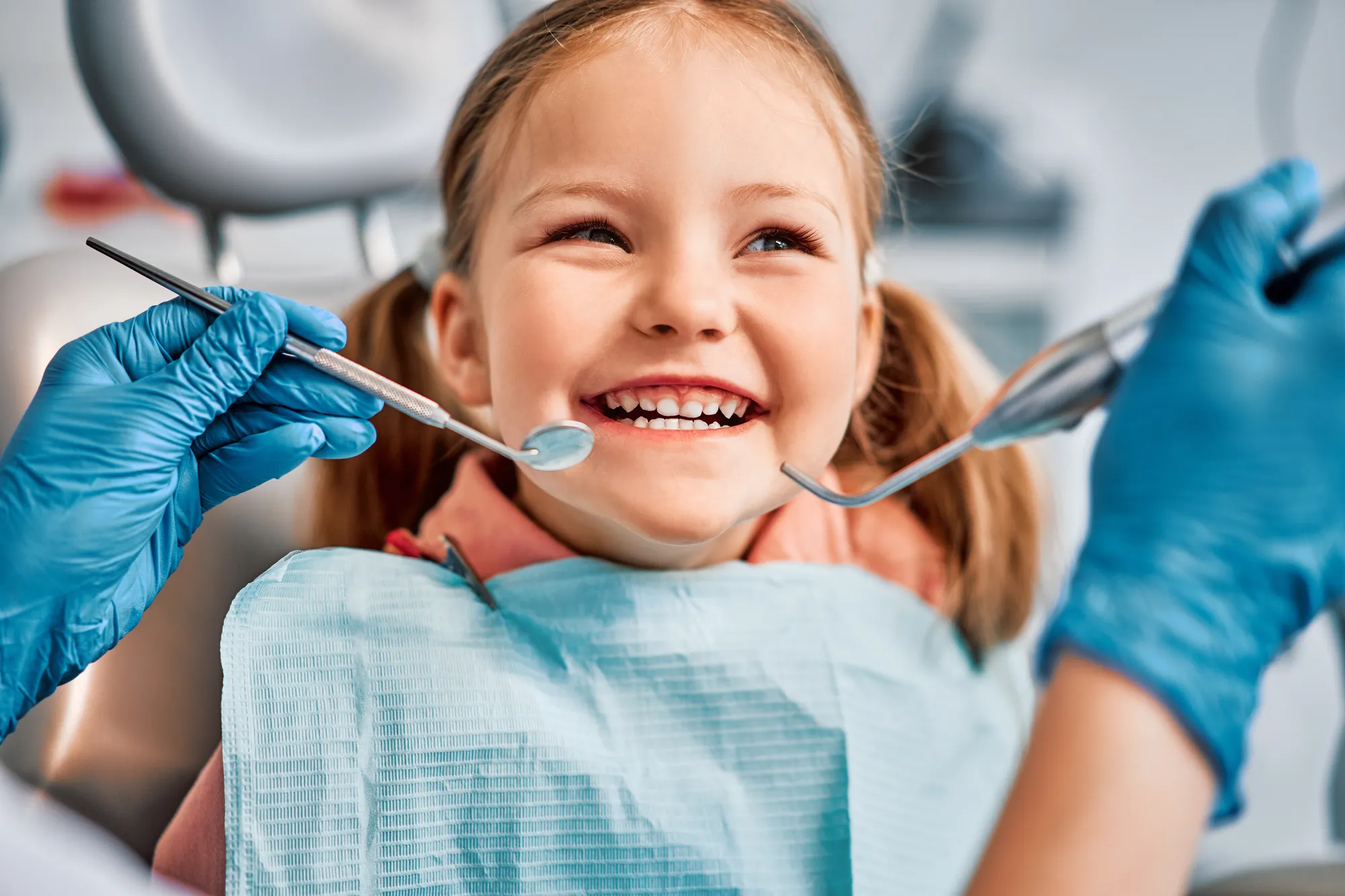
The American Academy of Pediatric Dentistry recommends that children see a dentist by their first birthday or within six months of their first tooth coming in. That's why we offer expert care starting at 12 months with our infant dental care in Fremont, CA. The first dental visit for toddlers in Fremont includes:
- A gentle oral exam to check development
- Guidance on brushing and baby-friendly products
- Tips on feeding, teething, and habits like thumb sucking
- Monitoring for early signs of decay
- A fun, educational introduction to dental visits
Early care helps prevent problems before they start.
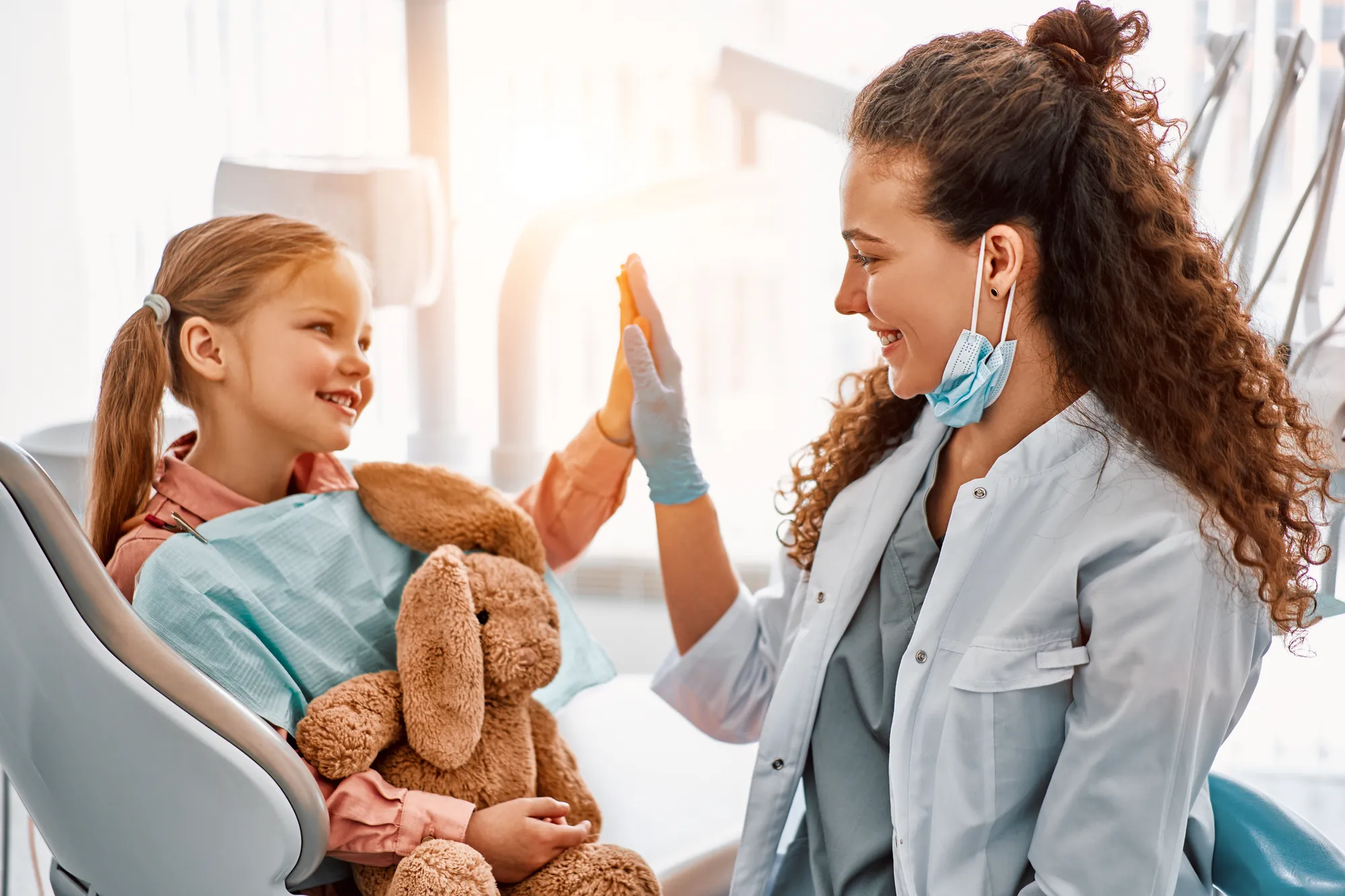
Why Parents Trust Fremont Star Dental
- Specialized care for children starting at age 1
- Experienced, friendly staff who love working with kids
- A stress-free, fun dental experience
- Convenient scheduling and parent education support
- Long-term preventive focus for healthy development
We're proud to be the go-to destination for early dental care for children in Fremont and are committed to giving every child the best start possible.
Comprehensive Pediatric Dental Services
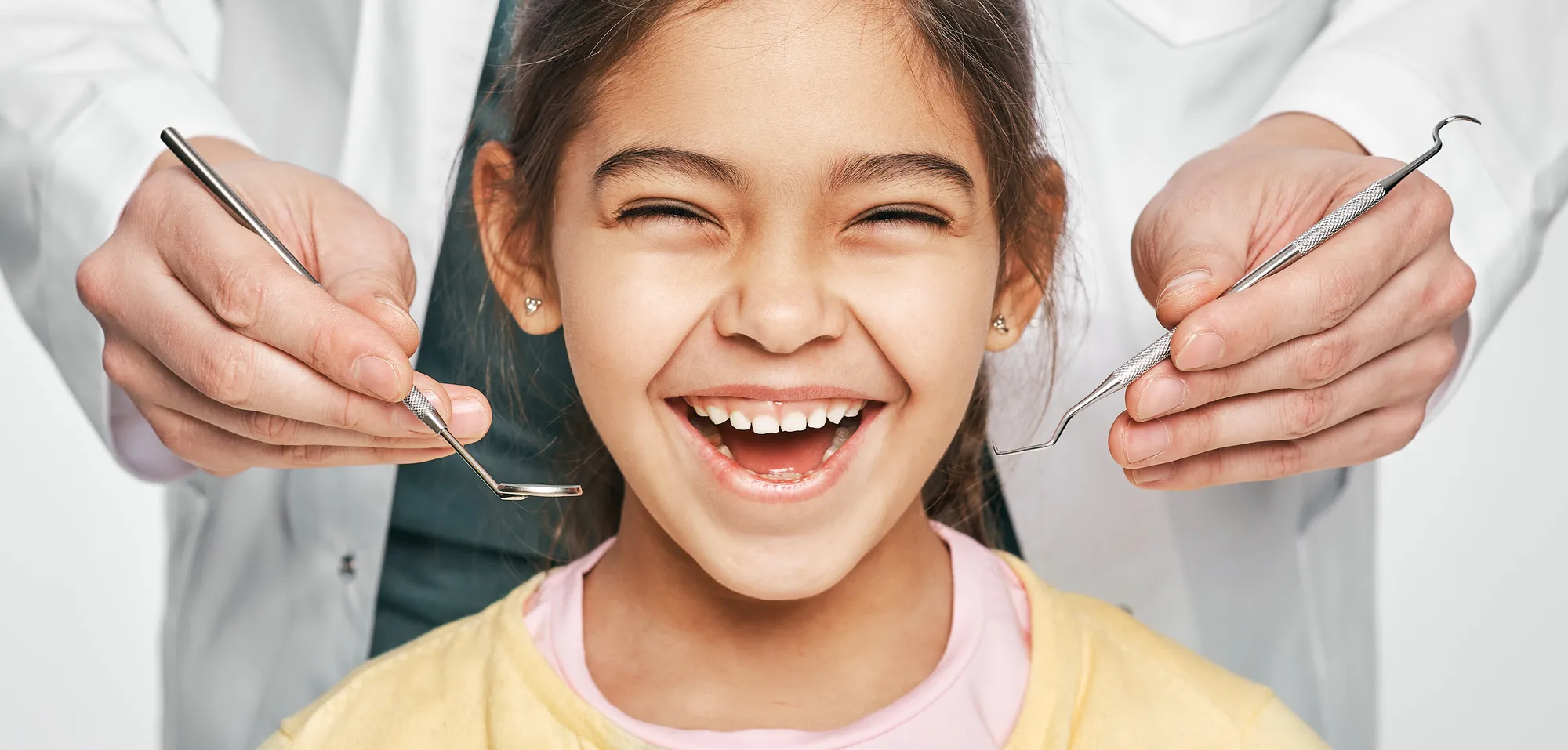
As a leading children's dentist in Fremont, CA, we offer a full range of age-appropriate services, including:
- First dental exams for infants and toddlers
- Preventive care like cleanings, fluoride treatments, and sealants
- Cavity detection and gentle treatment
- Teething and pacifier guidance
- Growth and development monitoring
- Parent education on oral hygiene and nutrition
Our team is experienced in working with children of all temperaments and ages.
Our Pediatric Dental Services
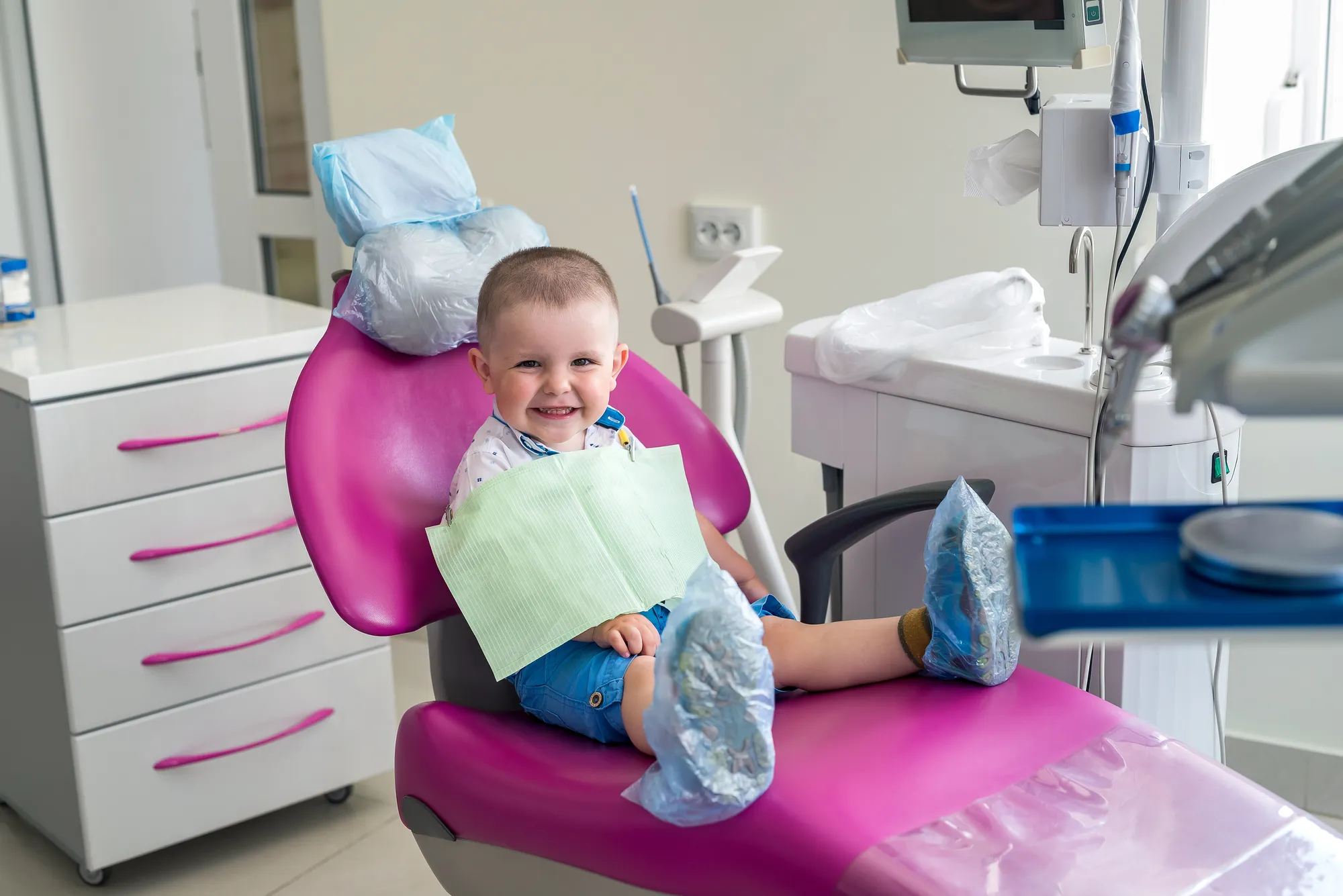
Infant Dental Exams
Gentle checkups for babies starting at age one to monitor early tooth development and growth patterns.
Preventive Cleanings
Professional cleanings remove plaque and tartar buildup to keep your child's teeth healthy and bright.
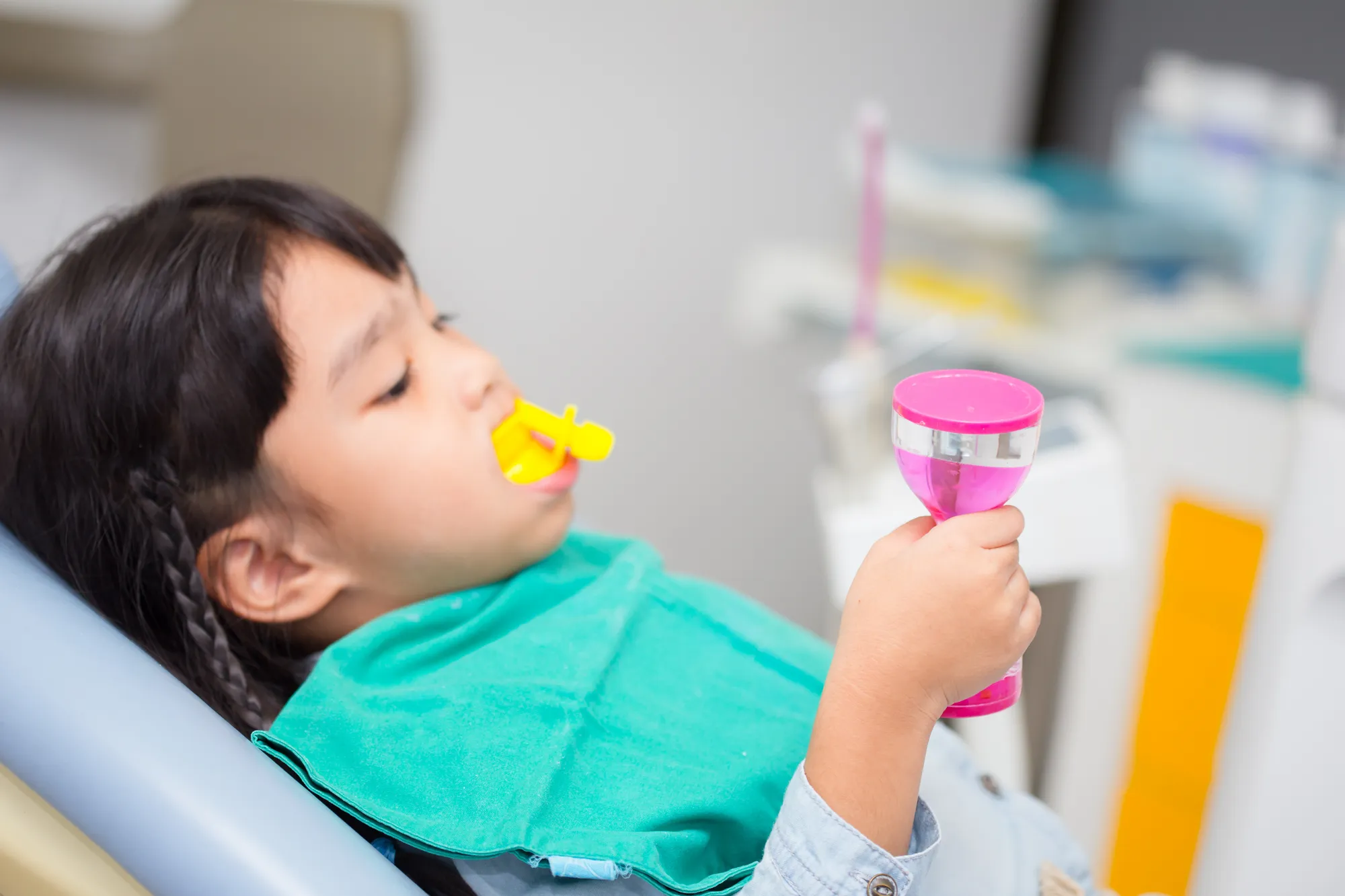
Fluoride Treatments
Fluoride applications strengthen tooth enamel and protect against cavities in growing teeth.
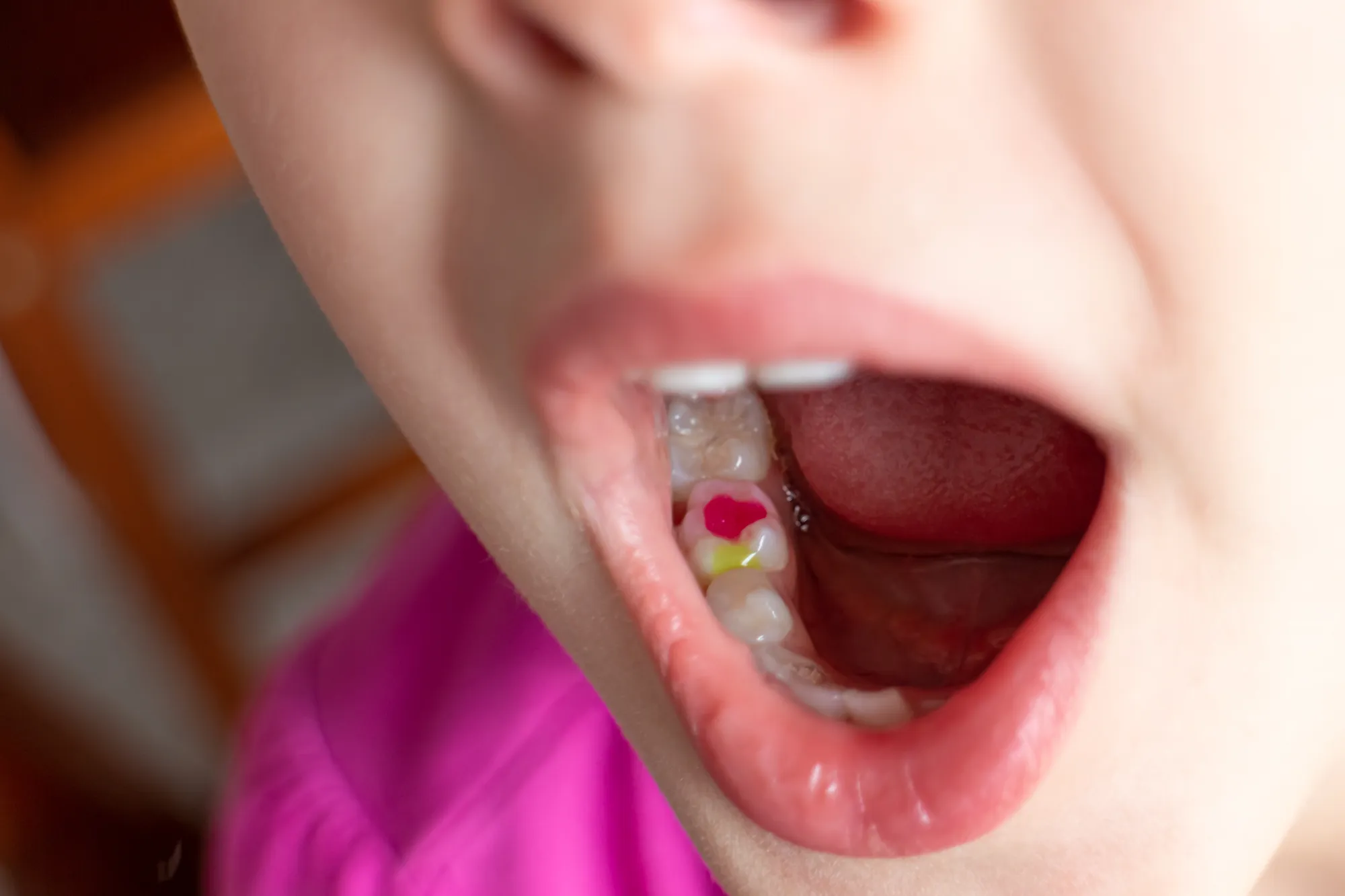
Dental Sealants
Thin protective coatings applied to back teeth to shield them from decay-causing bacteria. Parents can also learn more about how sealants protect children's teeth from cavities.
Gentle Tooth Fillings
Child-safe, tooth-colored fillings to restore teeth affected by cavities gently and effectively.
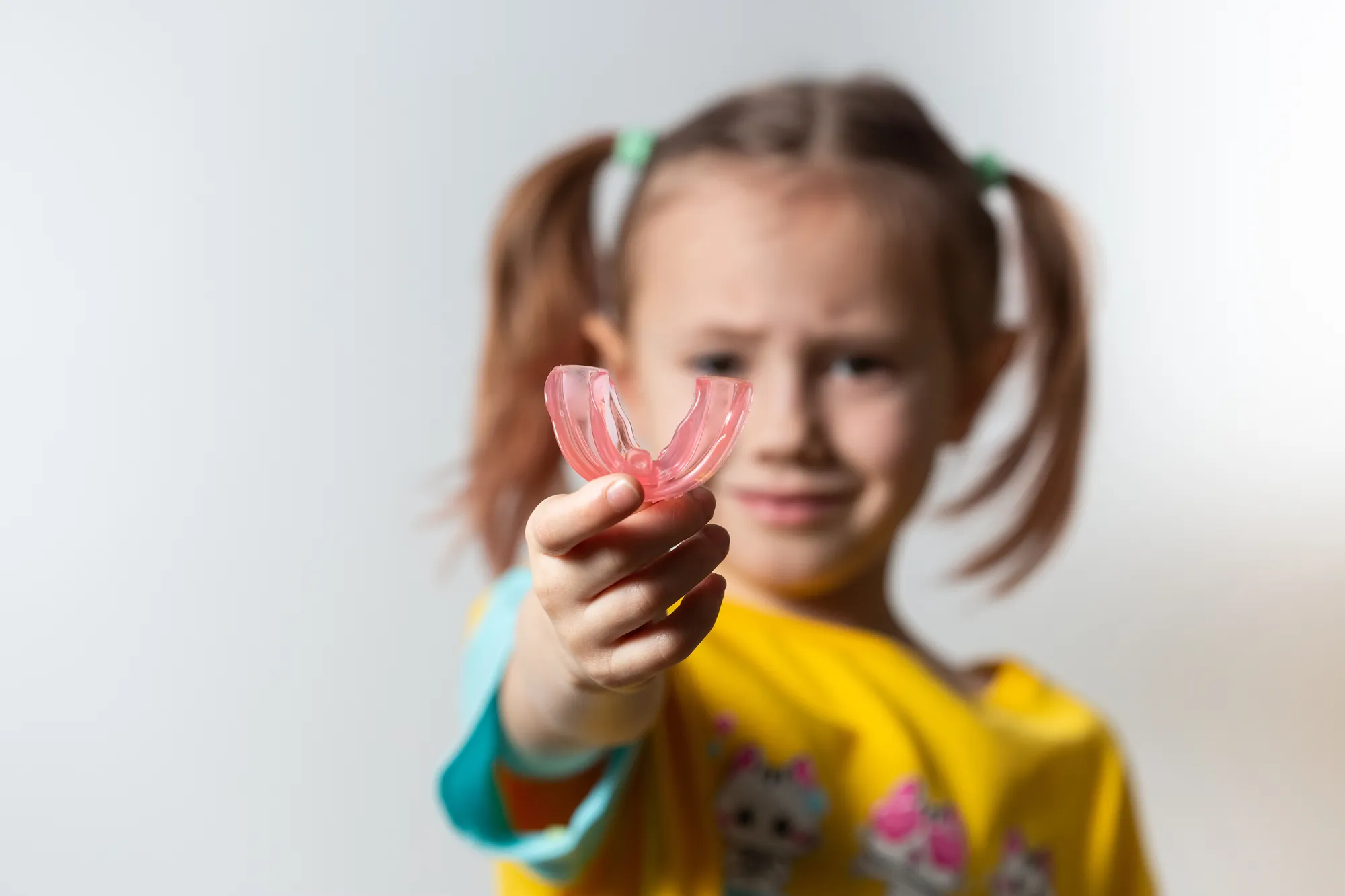
Mouthguards for Kids
Custom-fit mouthguards for young athletes to protect teeth during sports activities.
Benefits of Early Dental Care for Children
Prevents Cavities
Early dental visits build healthy habits and prevent cavities from the very first tooth.
Monitors Growth
Regular checkups help us track jaw development, tooth eruption, and bite alignment to catch any issues early.
Builds Healthy Habits
Children who visit the dentist early develop lifelong hygiene habits that protect their smiles for years to come.
Reduces Dental Anxiety
Positive early experiences make dental visits comfortable and stress-free throughout childhood and adulthood.
Detects Issues Early
From crowding to early decay, routine dental exams let us address concerns before they become complex problems.
Supports Speech Development
Healthy baby teeth support proper speech development, helping children communicate clearly and confidently.
Smiles That Speak For Themselves
Here’s what they have to say about their experiences at Fremont Star Dental!






Dr. Uma Patel, DDS
She leads our dental clinic with extensive experience and a patient-centered approach. A certified specialist in implant dentistry, Dr. Patel has completed advanced training under renowned implant experts worldwide. Her expertise ensures precise implant placement, proper bone evaluation, and personalized care using advanced dental technologies.
Years of experience providing quality care.

Consistently high patient ratings.
Smiles restored over the years.
Creating Positive Dental Experiences for Kids
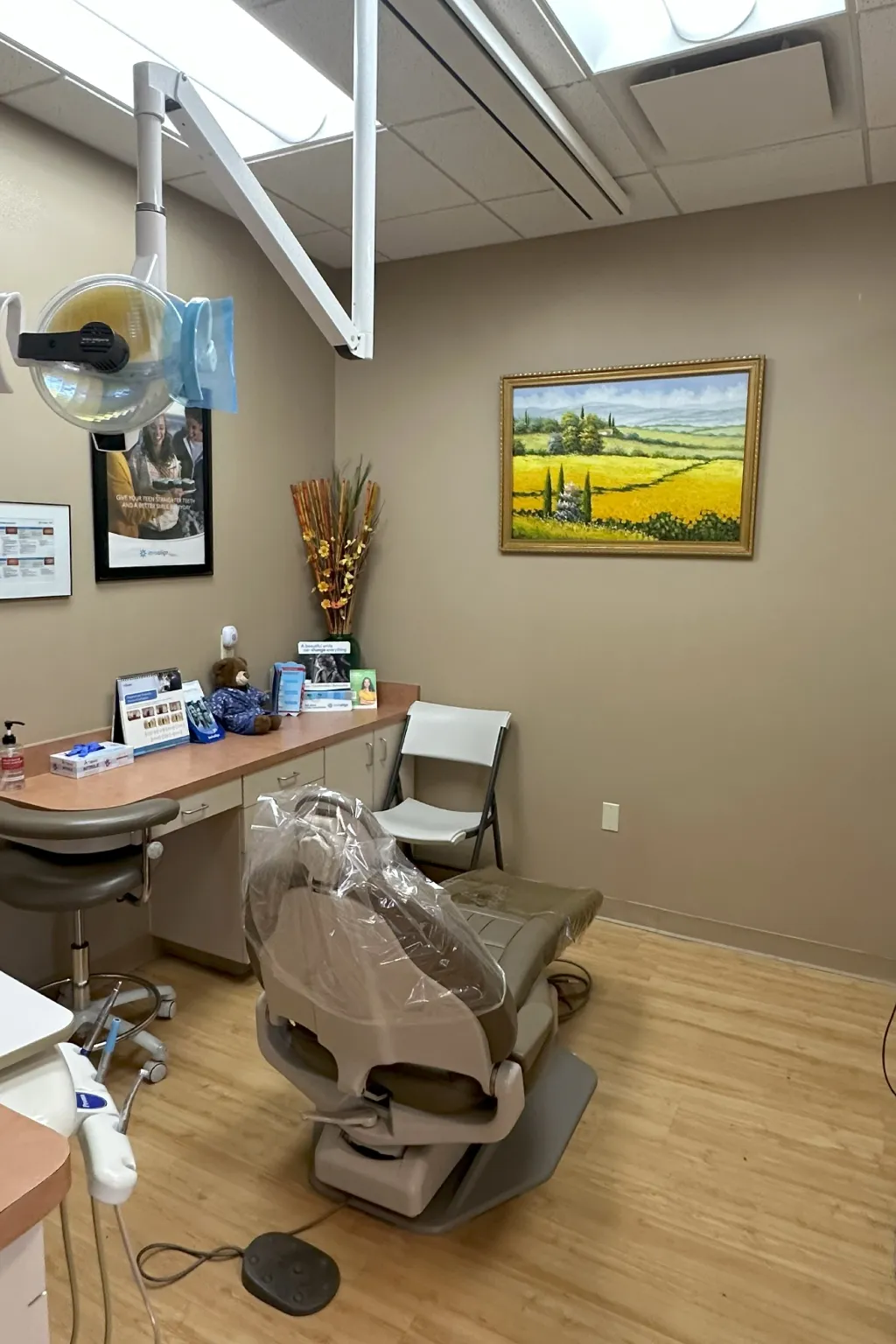
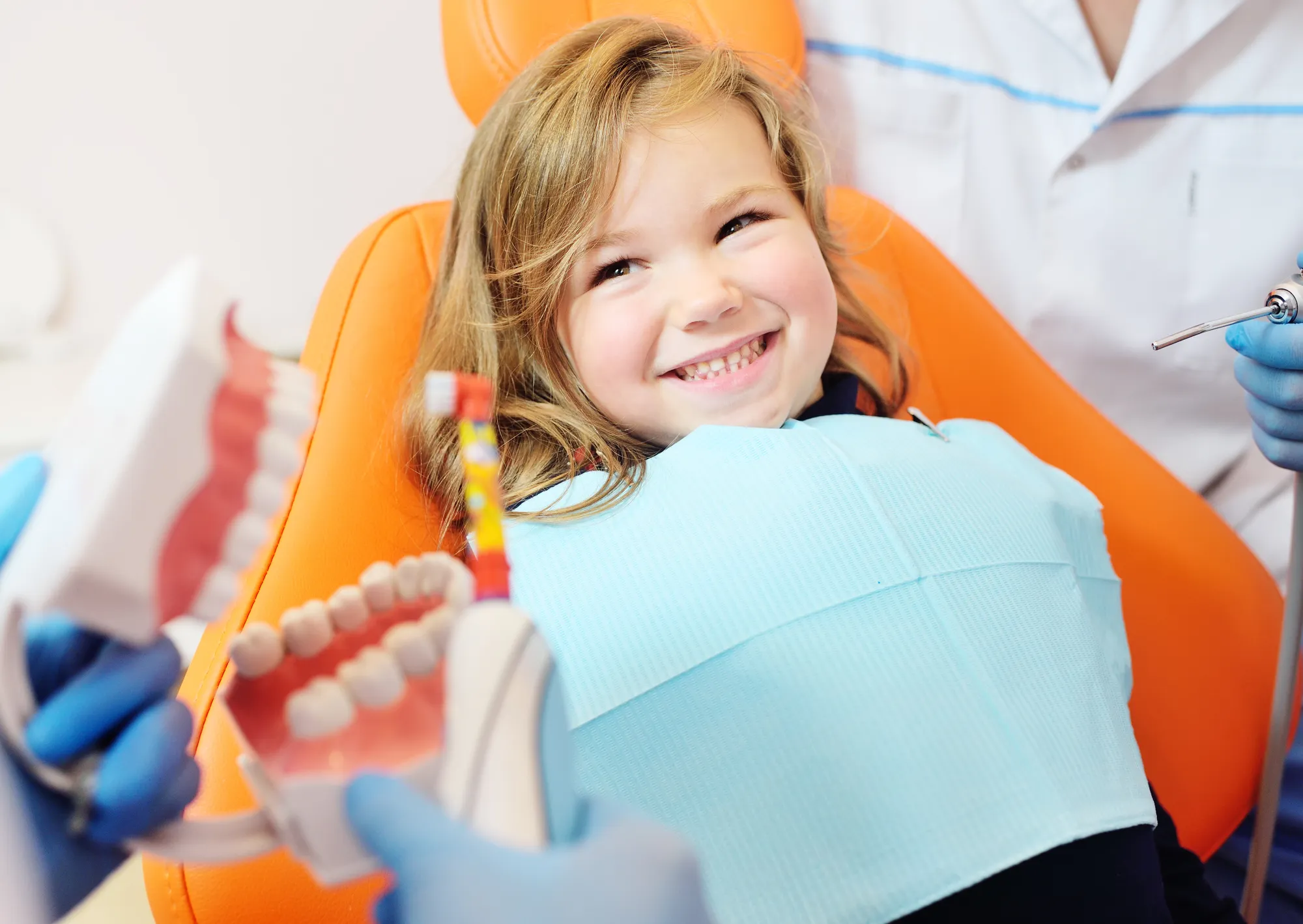
We understand that the first few dental visits shape your child's attitude toward oral health for life. We focus on being a child-friendly dentist in Fremont with:
- A warm, welcoming environment
- Friendly, patient-centered staff
- Kid-sized tools and techniques
- Gentle explanations and positive reinforcement
From a kids dental checkup in Fremont to full-service pediatric care, we take time to earn your child's trust and make dental care feel fun and rewarding.
Pediatric Dentistry for Babies and Toddlers
As your trusted pediatric dentist for babies in Fremont, we provide dental care that's just right for little ones—including:
- Monitoring baby teeth eruption
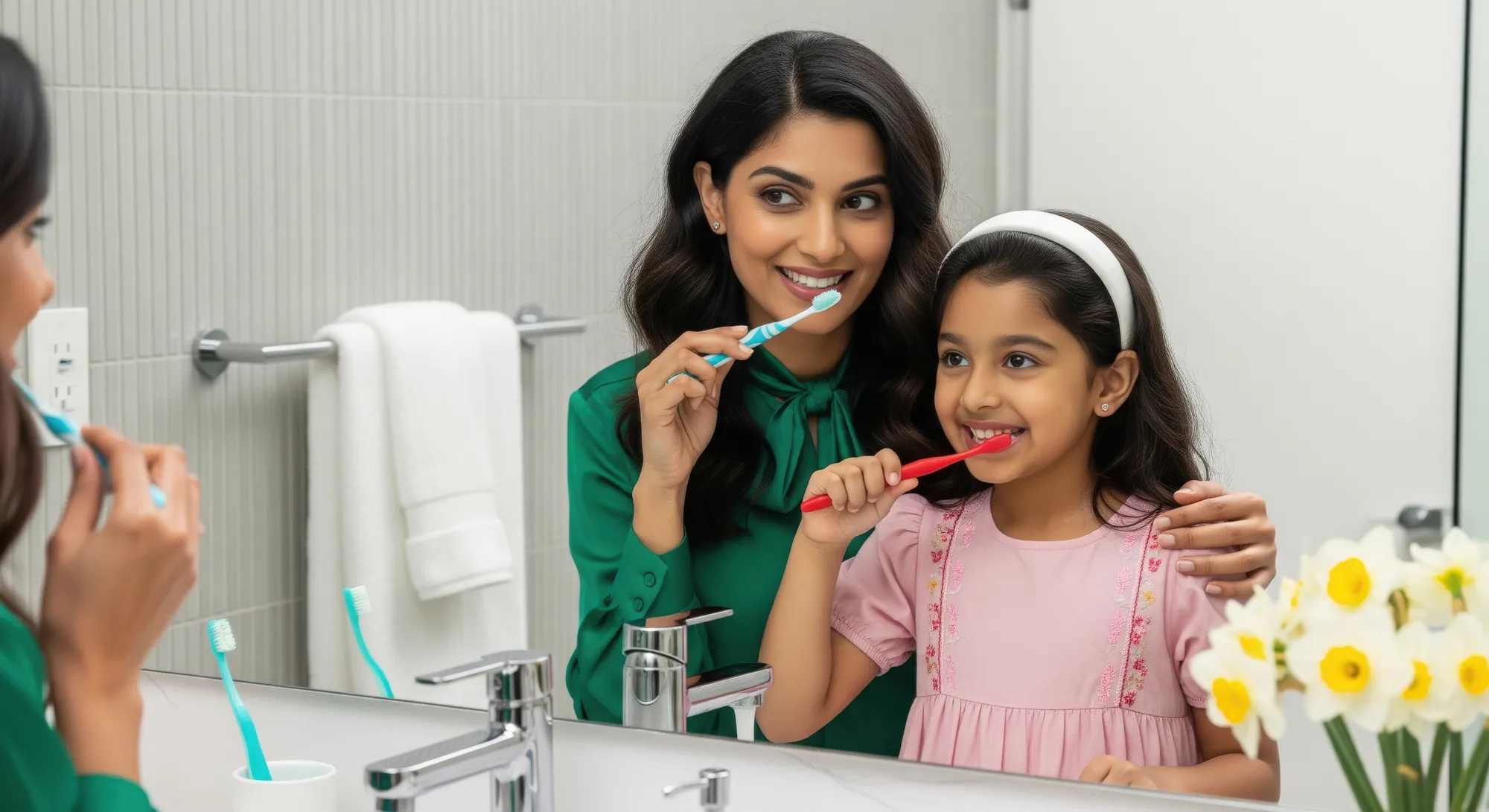
- Guidance on brushing tiny teeth
- Evaluation for early signs of decay (baby bottle tooth decay)
- Safe fluoride application if needed
- Teething relief suggestions
Whether you're searching for an infant dentist or a toddler dentist near Fremont, we're here to guide your family through every stage with compassionate, personalized care.
Discover Services by Our Fremont Family Dentist
Browse All Services.webp)
Exams, cleanings, X-rays, fluoride, sealants, and more — all for optimal oral health!
.webp)
Porcelain veneers, bonding, crowns, bridges, and professional teeth whitening for a radiant look!
.webp)
Straighten your smile with advanced orthodontics — Invisalign and traditional braces for all ages!
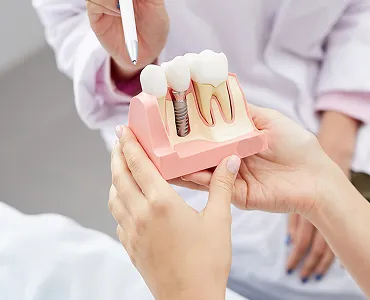
Restore your smile with dental implants - permanent, natural-looking solutions for missing teeth!
.webp)
Expert oral surgery safe, effective extractions and specialized procedures you can trust!
.webp)
Invisalign requires a specially trained dental professional, like Dr. Uma Patel.